Hey there! I’m a supplier of EU standard plug pins, and today I wanna talk about one of the most common questions I get: What is the minimum bending radius for an EU standard plug pin? Eu Standard Plug Pin

First off, let’s understand what we’re dealing with. EU standard plug pins are those little metal prongs on the end of your electrical plugs that fit into the sockets in Europe. They’re designed to be sturdy and reliable, but like any metal object, they have their limits when it comes to bending.
The minimum bending radius is basically the smallest curve you can bend the plug pin without causing it to break, crack, or lose its electrical conductivity. It’s an important factor to consider, especially if you’re in the business of manufacturing or using electrical products that use these plugs.
So, what’s the deal with the minimum bending radius for EU standard plug pins? Well, the answer isn’t as straightforward as you might think. There isn’t a single, universal minimum bending radius that applies to all EU standard plug pins. It can vary depending on a few different factors.
One of the main factors is the material the plug pin is made of. Most EU standard plug pins are made of brass, which is a relatively soft and malleable metal. Brass can be bent to a certain degree without breaking, but if you bend it too sharply, it can crack or deform. The minimum bending radius for brass plug pins is typically around 1.5 to 2 times the diameter of the pin. For example, if you have a plug pin with a diameter of 2 mm, the minimum bending radius would be around 3 to 4 mm.
Another factor that can affect the minimum bending radius is the thickness of the plug pin. Thicker pins are generally more resistant to bending and can withstand a smaller bending radius than thinner pins. However, if you bend a thick pin too sharply, it can still cause internal stress and damage to the pin.
The shape of the plug pin can also play a role in determining the minimum bending radius. Some EU standard plug pins have a round cross-section, while others have a flat or rectangular cross-section. Round pins are generally more flexible and can be bent to a smaller radius than flat or rectangular pins.
In addition to these factors, the manufacturing process of the plug pin can also affect its minimum bending radius. If the plug pin is poorly manufactured or has defects, it may be more prone to breaking or cracking when bent. That’s why it’s important to choose a reliable supplier that uses high-quality materials and manufacturing processes.
So, how do you determine the minimum bending radius for a specific EU standard plug pin? Well, the best way is to refer to the manufacturer’s specifications or guidelines. Most manufacturers will provide information on the minimum bending radius for their plug pins in their product documentation or technical data sheets. If you can’t find this information, you can also contact the manufacturer directly and ask them for the minimum bending radius.
If you’re a manufacturer or user of electrical products that use EU standard plug pins, it’s important to test the plug pins to ensure they can withstand the bending forces they’ll be subjected to in normal use. You can do this by using a bending test machine or by manually bending the plug pins to the minimum bending radius specified by the manufacturer. If the plug pins pass the bending test, you can be confident that they’ll be able to withstand the normal bending forces they’ll encounter in use.
As a supplier of EU standard plug pins, I understand the importance of providing high-quality products that meet the needs of my customers. That’s why I make sure to source my plug pins from reputable manufacturers that use high-quality materials and manufacturing processes. I also test all of my plug pins to ensure they meet the minimum bending radius requirements and other quality standards.
If you’re in the market for EU standard plug pins, I’d love to hear from you. Whether you’re a manufacturer, distributor, or end-user, I can provide you with the high-quality plug pins you need at competitive prices. Just drop me a message and we can discuss your requirements and see how I can help.
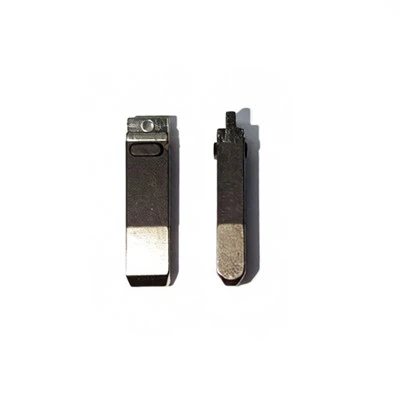
In conclusion, the minimum bending radius for an EU standard plug pin can vary depending on a few different factors, including the material, thickness, shape, and manufacturing process of the pin. It’s important to refer to the manufacturer’s specifications or guidelines to determine the minimum bending radius for a specific plug pin. As a supplier of EU standard plug pins, I’m committed to providing high-quality products that meet the needs of my customers. If you’re interested in purchasing EU standard plug pins, don’t hesitate to contact me and let’s start a conversation.
Jp Standard Plug Pin References:
- Electrical Engineering Handbook
- Standards and Regulations for Electrical Plugs in Europe
Dongguan Fangrun Metal Products Co., Ltd.
We’re well-known as one of the leading eu standard plug pin manufacturers in China, specialized in providing high quality customized products. Please feel free to buy discount eu standard plug pin made in China here from our factory. For quotation and free sample, contact us now.
Address: New Town Industrial Zone,Xiegang Village,Xie Gang Town,Dongguan City
E-mail: 825556703@qq.com
WebSite: https://www.fangrunpin.com/
