If you’re just getting into FPV drones—whether it’s a tiny whoop for backyard bashing or a slightly bigger quad for light freestyle—chances are you’ve already stumbled on the hype around Lipo batteries. And if you’re reading this, you’re probably tired of the “beginner-friendly” advice that skips the actual need-to-know stuff, like how to pick one that doesn’t turn your first few flights into a crumbly fire hazard (we’ve all been there, right?). As someone who’s been supplying FPV Lipo batteries for years, I’ve heard every question from new pilots: “Why does my drone die in 2 minutes?” “Why do some batteries puff after 3 flights?” “What’s the difference between a 3S and 4S battery that no one tells me?” Let’s cut the jargon and break this down like we’re geeking out over our first quad together. FPV Drone Lipo Battery
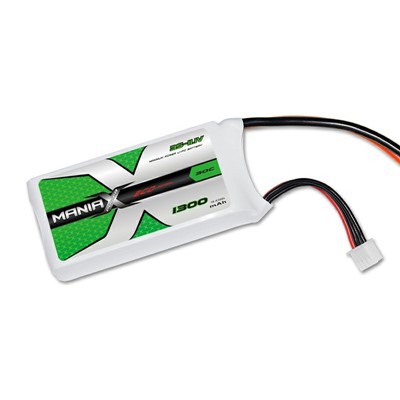
First off, let’s get one thing straight: Lipo batteries aren’t your phone’s rechargeable battery. They’re built for bursts of power—exactly what FPV drones need to zip around tight corners and lift off fast. But for beginners, picking the wrong one is a fast track to frustration. I’ve seen too many new pilots grab whatever battery their local hobby shop shoves in the FPV starter bundle, only to have it fail mid-flight. So let’s start with the non-negotiables that actually matter, not the buzzwords.
The first big number you’ll see on any Lipo is the “S” rating—short for “cells.” Each cell in a Lipo is about 3.7V, so a 3S battery is 11.1V total, a 4S is 14.8V, and so on. For beginners, stick to a 2S or 3S setup. Why? Higher S ratings mean more power, but way more strain on your tiny motors (and your wallet, if you crash often). A 3S is the sweet spot for most entry-level FPV quads—like the tiny whoops you fly indoors or the mini quads for backyard fun. I’ve had new pilots come to me saying they upgraded to 4S “for more speed” and ended up burning out their motor in 5 flights. Slow and steady here: if your starter drone came with a 2S battery, don’t jump to 4S until you’ve mastered basic maneuvers. Test the stock battery first—if you’re getting 5 minutes of flight time and it’s struggling to lift, maybe a 3S is the next step, not before.
Next up: capacity, written in mAh (milliamp-hours). This is just how much power the battery can hold. The higher the mAh, the longer your flight time—simple, right? But wait, there’s a catch: more mAh means a heavier battery. And for tiny beginner quads (those 80mm to 100mm whoops), even a 150mAh vs 200mAh difference can throw off the quad’s balance. I once had a kid come to me with a tiny whoop that kept flipping mid-flight—turns out he was using a 300mAh battery meant for a bigger mini quad, which was too heavy. For beginners, match the mAh to your drone’s recommended specs. If your quad says “compatible with 150-250mAh 2S,” stick to that. You can go higher, but only if you’re okay with slightly shorter, more stable flights (wait, no—higher mAh is more weight, so flight time is actually the same or a little longer, but stability? Less. So stick to the drone’s mAh range unless you want to mess with tuning props later). Another thing: don’t go for the super cheap no-name 500mAh batteries you see on Amazon. Those are usually overrated—they might advertise 500mAh, but actual capacity is 300, so you’re basically wasting your money.
Then there’s the “C rating”—the one that trips up almost every beginner. The C rating is the battery’s discharge rate, meaning how much power it can push out at once. A higher C rating means more burst power for fast takeoffs and tight turns. For beginners, you want a C rating of 25C to 50C. Why? A 25C is enough for your first flights—no need for a 100C racing battery that costs twice as much. Too low a C rating (like 10C) and your battery will struggle to keep up when you punch the throttle mid-flight, leading to saggy power and even crashes. I had a pilot once who used a 15C battery for his 3S mini quad—he’d get 2 minutes of flight time and his drone would sputter and die right when he was doing a loop. Swapping to a 30C battery fixed it instantly. The key here is: match the C rating to your quad’s motor requirements. Most entry-level quads list a minimum C rating—hit that minimum, don’t go way over unless you plan to start racing.
Now, the little stuff that new pilots overlook, that’s what causes batteries to die early. First, connectors. If your battery has the wrong connector for your drone, you’re either going to have to splice wires (risky—always use adapters if you have to, not scissors) or buy the wrong one. Most beginner quads use a PH2.0 or JST-PH connector—double-check what’s on your stock battery before buying a new one. No one wants to be mid-prep for a flight, only to realize the battery won’t plug in. Second, battery size. A battery that’s too long or too wide won’t fit in your drone’s battery compartment, which means you’re forcing it in—damaging the cells inside, leading to puffs or fires. I always tell new pilots to measure the compartment before buying: length, width, height, and then pick a battery that’s a little smaller, not a little bigger. It’s better to have a battery that fits snug but not forced, than one that jams in. Third, number of wires. Wait, no—for beginners, it’s just that a good battery should have soldered connectors, not crimped ones. Crimped connectors pop off all the time mid-flight, which is a nightmare. All the batteries I supply have solid soldered connectors for that exact reason.
Wait, let’s talk about the mistakes that make beginners hate their first Lipo. First, overcharging. I see this all the time—people plug their battery into a cheap USB charger and leave it overnight. LiPos only charge to about 4.2V per cell, and overcharging causes them to puff, leak, or even catch fire. Use a smart charger with a LiPo mode—they’ll stop charging automatically when the battery is full. And never charge a LiPo on a flammable surface (couch, bed, grass). Charge it on a LiPo safe bag, which is like a fireproof pouch for batteries. Second, deep discharging. If you let your battery die completely mid-flight, that’s a big no-no. LiPos hate being drained below 3.0V per cell. A dead battery will puff over time, and you’ll have to throw it away way sooner. I always tell new pilots to land when their drone’s FPV beeper starts going off—most entry-level quads have that low-battery alert. Third, storage. If you’re not using your battery for more than a week, store it at about 3.8V per cell—this is the “resting” voltage LiPs prefer. Don’t store it fully charged, and don’t store it completely dead. I keep my spare batteries in a cool, dry bag (not in my car, where it gets hot) and that’s why they last for months.
Now, let’s clear up some myths. Myth #1: “More mAh = better.” No, not if it’s too heavy for your drone. A 500mAh battery on a 85mm whoop will make it so heavy it can’t do flips, so you’re better off with a 200mAh that flies right. Myth #2: “A higher C rating is always better.” Nope, a 100C battery for a beginner quad is overkill, and it’s more expensive. You’ll never use that extra power, so stick to 25-50C. Myth #3: “All Lipo batteries are the same.” So not true. The cheap no-name ones on eBay have flimsy cells, bad connectors, and low actual C ratings. The batteries I supply are tested, so you’re getting exactly what the label says—no surprises when you’re mid-flight.
For beginners, let’s put this all into a quick cheat sheet. If your quad is a tiny 80-100mm whoop (indoor or backyard), go for a 2S, 150-250mAh, 25-35C battery. If it’s a 120-150mm mini quad (light freestyle, casual outdoor flying), go for a 3S, 250-400mAh, 30-45C battery. That’s it—no overcomplicating it. Just follow that, and you won’t have to deal with dead batteries mid-flight or puffed ones after 2 uses.
Wait, I should mention something about puffed batteries too. If your battery gets a little swollen (like a small pillow), don’t use it. Puffed LiPs are dangerous—they can catch fire if you charge them, so you need to dispose of them properly. Take them to a local hobby shop that recycles LiPos, don’t just throw them in the trash. I always tell new pilots to check their batteries after every flight—if it looks puffy, retire it. It’s not worth the risk.
Another thing: flight time. If you’re getting only 2-3 minutes of flight, that’s normal for beginners. Your motor is still new, and you’re probably punching the throttle a lot more than more experienced pilots. Over time, you’ll get better at conserving power, so your flight time will go up. And buying 2-3 spare batteries at first is a good idea—you don’t want to sit around waiting for one battery to charge, only to realize you forgot your drone keys.
Now, if you’re still not sure which battery is right for you, or you’ve had bad experiences with cheap LiPs, reach out. I’ve helped hundreds of beginners pick the right battery for their first FPV quad—no technical jargon, just straight talk. We supply Lipo batteries that are designed specifically for beginner drones, so you don’t have to stress about compatibility or performance. Whether you’re just starting out or you’re looking to replace your beat-up stock batteries, we’ve got options for every budget. Shoot us a message to talk through what you need, and I’ll help you find the perfect fit for your quad. No pressure, just honest advice.

If you’re a beginner, don’t overthink this. The worst thing you can do is buy some random battery and hope it works. Follow the rules I laid out here, and you’ll save yourself a ton of time (and money) on crashes and dead batteries. LiPos are the heart of your FPV drone, so taking 5 minutes to pick the right one is way worth it. Now go fly, and remember—if you need a hand picking a battery, we’re here to help. Reach out to start the conversation about what works for your setup.
60C Standard Hardcase Car Lipo References:
- "FPV Drone Battery Basics" – Drone Hobbyist Magazine, 2023
- "Lipo Battery Care for Beginners" – International Drone Racing Association, 2022
- "Entry-Level FPV Quad Compatibility Guide" – Tiny Whoop Hub, 2024
ManiaX Power Technology Co., Ltd.
ManiaX Power Technology Co., Ltd. is one of the most reliable fpv drone lipo battery manufacturers and suppliers in China, also supports customized service. Please feel free to wholesale bulk durable fpv drone lipo battery made in China here from our factory.
Address: Room 1508, 15/F, Two Grand tower, 625 Nathan Road, Kowloon, HongKong. P.R. China
E-mail: info@maniax-power.com
WebSite: https://www.maniaxpower.com/
