Hey there! As a supplier of gas cylinder flanges, I often get asked about the common gasket materials used for these flanges. So, I thought I’d share some insights on this topic. Gas Cylinder Flange
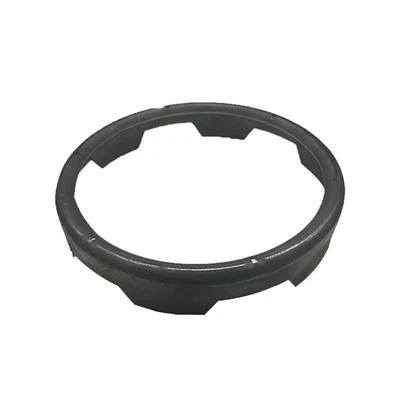
First off, let’s talk about why gaskets are so important for gas cylinder flanges. Gaskets play a crucial role in ensuring a tight seal between the flange and the cylinder, preventing gas leaks. A good gasket can withstand high pressures and temperatures, and resist chemical corrosion. This is super important because gas cylinders often contain hazardous substances, and any leak could be a serious safety risk.
Now, let’s dive into the common gasket materials.
Rubber Gaskets
Rubber is one of the most widely used gasket materials for gas cylinder flanges. It’s flexible, easy to install, and can provide a good seal. There are different types of rubber gaskets, each with its own properties.
- Neoprene: Neoprene is a synthetic rubber that’s resistant to oil, ozone, and weathering. It can handle a wide range of temperatures, from -40°F to 225°F (-40°C to 107°C). This makes it a great choice for gas cylinders that are exposed to various environmental conditions. For example, in outdoor storage or transportation, neoprene gaskets can maintain their sealing performance.
- Nitrile: Nitrile rubber is known for its excellent resistance to oils, fuels, and solvents. It can operate in temperatures ranging from -40°F to 250°F (-40°C to 121°C). Nitrile gaskets are often used in gas cylinders that contain petroleum-based gases or other chemicals. They’re also relatively inexpensive, which makes them a popular choice for many applications.
- Silicone: Silicone rubber has high heat resistance, with a temperature range of -60°F to 450°F (-51°C to 232°C). It’s also resistant to ozone, UV radiation, and moisture. Silicone gaskets are often used in high-temperature applications, such as in industrial gas cylinders that are used in manufacturing processes.
Compressed Fiber Gaskets
Compressed fiber gaskets are made from a combination of fibers, binders, and fillers. They’re known for their good sealing properties and resistance to high pressures.
- Asbestos-Free Fiber: In the past, asbestos was commonly used in compressed fiber gaskets. However, due to its health risks, asbestos has been largely replaced by asbestos-free alternatives. These new materials are made from synthetic fibers, such as aramid or glass fibers, and can provide similar performance to asbestos gaskets. Asbestos-free fiber gaskets can handle pressures up to 1,500 psi and temperatures up to 500°F (260°C).
- Non-Asbestos Organic (NAO): NAO gaskets are made from a mixture of organic fibers, such as cellulose or rubber, and inorganic fillers. They’re a cost-effective option and can be used in a variety of applications. NAO gaskets can handle pressures up to 1,000 psi and temperatures up to 400°F (204°C).
Metal Gaskets
Metal gaskets are used in applications where high pressures and temperatures are involved. They’re made from materials such as stainless steel, copper, or aluminum.
- Spiral Wound Gaskets: Spiral wound gaskets are made by winding a metal strip and a filler material in a spiral pattern. The metal strip provides strength and the filler material provides the sealing function. Spiral wound gaskets can handle high pressures and temperatures, and are often used in gas cylinders that are used in the oil and gas industry.
- Ring Joint Gaskets: Ring joint gaskets are used in high-pressure applications, such as in gas cylinders that are used in refineries or chemical plants. They’re made from a solid metal ring and are designed to fit into a groove in the flange. Ring joint gaskets can handle pressures up to 10,000 psi and temperatures up to 1,000°F (538°C).
PTFE Gaskets
PTFE (Polytetrafluoroethylene) is a synthetic polymer that’s known for its excellent chemical resistance and low friction. PTFE gaskets can be used in a wide range of applications, including gas cylinders that contain corrosive gases.
- Virgin PTFE: Virgin PTFE gaskets are made from pure PTFE and have excellent chemical resistance. They can handle temperatures up to 500°F (260°C) and pressures up to 1,500 psi. Virgin PTFE gaskets are often used in applications where the gas is highly corrosive, such as in the chemical industry.
- Filled PTFE: Filled PTFE gaskets are made by adding fillers, such as glass fibers or carbon, to the PTFE. This improves the mechanical properties of the gasket, such as its strength and stiffness. Filled PTFE gaskets can handle higher pressures and temperatures than virgin PTFE gaskets.
When choosing a gasket material for gas cylinder flanges, there are several factors to consider.
- Gas Type: Different gases have different chemical properties, and some gases may be more corrosive than others. For example, if the gas is highly corrosive, you’ll need to choose a gasket material that’s resistant to that particular gas.
- Pressure and Temperature: The pressure and temperature of the gas in the cylinder will also affect the choice of gasket material. If the pressure and temperature are high, you’ll need to choose a gasket material that can withstand those conditions.
- Flange Design: The design of the flange can also affect the choice of gasket material. Some flanges may require a specific type of gasket to ensure a proper seal.

As a gas cylinder flange supplier, I understand the importance of choosing the right gasket material. That’s why I offer a wide range of gasket materials to meet the needs of my customers. Whether you need a rubber gasket, a compressed fiber gasket, a metal gasket, or a PTFE gasket, I can help you find the right one for your application.
Gas Cylinder Flange If you’re in the market for gas cylinder flanges and gaskets, I’d love to talk to you. We can discuss your specific requirements and find the best solution for your needs. Don’t hesitate to reach out and start a conversation about your gas cylinder flange and gasket needs.
References
- "Handbook of Sealant Technology" by Robert K. Dobbins
- "Gasket Selection Guide" by Fluid Sealing Association
Shanghai Luzhen SCM Co., Ltd.
As one of the most professional gas cylinder flange manufacturers and suppliers in China, we’re featured by quality products and good price. Please rest assured to buy bulk discount gas cylinder flange from our factory. We also accept customized orders.
Address:
E-mail: bao@lu-chain.com
WebSite: https://www.lu-chain.com/
