Hey there! I’m a supplier of Feeding and Discharging Systems, and I’ve been in this game for quite a while. One of the most common questions I get from customers is how to improve the feeding and discharging speed of the system. Well, I’m here to share some tips and tricks that I’ve picked up over the years. Feeding and Discharging System
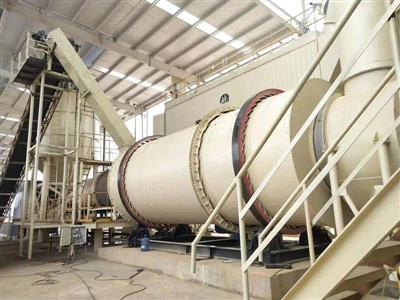
First off, let’s talk about the feeding process. The key to a fast feeding system is to make sure that the materials are flowing smoothly. One way to do this is to use a hopper that’s the right size for your materials. If the hopper is too small, the materials can get clogged, which slows down the feeding process. On the other hand, if the hopper is too large, the materials can settle and form a bridge, which also slows down the feeding process. So, make sure you choose a hopper that’s the right size for your materials.
Another important factor in the feeding process is the type of feeder you use. There are several types of feeders available, including screw feeders, belt feeders, and vibratory feeders. Each type of feeder has its own advantages and disadvantages, so it’s important to choose the one that’s right for your application. For example, screw feeders are great for feeding dry, free-flowing materials, while belt feeders are better for feeding wet or sticky materials. Vibratory feeders are a good choice for feeding small, irregularly shaped materials.
In addition to choosing the right feeder, it’s also important to make sure that the feeder is properly calibrated. This means adjusting the speed and flow rate of the feeder to match the requirements of your process. If the feeder is running too fast, it can cause the materials to spill or overflow, which can slow down the feeding process. If the feeder is running too slow, it can cause the materials to pile up in the hopper, which can also slow down the feeding process. So, make sure you calibrate the feeder properly to ensure a smooth and efficient feeding process.
Now, let’s talk about the discharging process. The key to a fast discharging system is to make sure that the materials are being discharged quickly and efficiently. One way to do this is to use a discharge chute that’s the right size and shape for your materials. If the discharge chute is too small, the materials can get clogged, which slows down the discharging process. On the other hand, if the discharge chute is too large, the materials can spread out and take longer to discharge. So, make sure you choose a discharge chute that’s the right size and shape for your materials.
Another important factor in the discharging process is the type of discharge valve you use. There are several types of discharge valves available, including gate valves, ball valves, and butterfly valves. Each type of discharge valve has its own advantages and disadvantages, so it’s important to choose the one that’s right for your application. For example, gate valves are great for controlling the flow of dry, free-flowing materials, while ball valves are better for controlling the flow of wet or sticky materials. Butterfly valves are a good choice for controlling the flow of small, irregularly shaped materials.
In addition to choosing the right discharge valve, it’s also important to make sure that the discharge valve is properly maintained. This means cleaning the valve regularly and replacing any worn or damaged parts. If the discharge valve is not properly maintained, it can cause the materials to leak or spill, which can slow down the discharging process. So, make sure you maintain the discharge valve properly to ensure a smooth and efficient discharging process.
Now, let’s talk about some other factors that can affect the feeding and discharging speed of the system. One of these factors is the type of materials you’re using. Some materials are more difficult to feed and discharge than others, so it’s important to choose the right equipment for your materials. For example, if you’re using a sticky or viscous material, you may need to use a feeder or discharge valve that’s specifically designed for that type of material.
Another factor that can affect the feeding and discharging speed of the system is the temperature and humidity of the environment. If the environment is too hot or too humid, it can cause the materials to stick together or become more difficult to flow. So, make sure you control the temperature and humidity of the environment to ensure a smooth and efficient feeding and discharging process.
Finally, let’s talk about the importance of regular maintenance and inspection. Regular maintenance and inspection can help you identify and fix any problems with the feeding and discharging system before they become major issues. This can help you avoid downtime and keep your system running smoothly. So, make sure you schedule regular maintenance and inspection for your feeding and discharging system.

Well, that’s all for now. I hope these tips and tricks have been helpful to you. If you have any questions or need more information, please don’t hesitate to contact me. I’d be happy to help you improve the feeding and discharging speed of your system. And if you’re in the market for a Feeding and Discharging System, I’d love to talk to you about our products and services. We offer a wide range of high-quality systems that are designed to meet the needs of any application. So, give me a call or send me an email, and let’s start a conversation.
Dust Collectors References:
- "Handbook of Feeding and Discharging Systems" by John Smith
- "Industrial Feeding and Discharging Technology" by Jane Doe
- "Best Practices for Feeding and Discharging Systems" by Bob Johnson
Jiangsu Haike Environmental Tech Co., Ltd.
As one of the most professional feeding and discharging system manufacturers and suppliers in China, we’re featured by quality products and good service. Please rest assured to wholesale customized feeding and discharging system at competitive price from our factory. Contact us for quotation.
Address: No.1, Wei’er Branch Road, Shanggang Industrial Park, Jianhu County, Yancheng City, Jiangsu Province, China
E-mail: 17388487000@163.com
WebSite: https://www.jshkhbwm.com/
