As a seasoned parts processing supplier, I’ve witnessed firsthand the stark differences between hot and cold parts processing. These two techniques are fundamental in the manufacturing industry, each with its unique characteristics, processes, and applications. In this blog, I’ll delve into the details of hot and cold parts processing, highlighting their differences, advantages, and limitations to help you make informed decisions for your manufacturing needs. Parts Processing
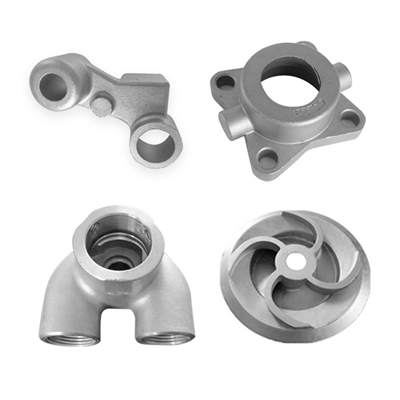
Understanding Hot Parts Processing
Hot parts processing involves shaping and forming metal materials at elevated temperatures, typically above the recrystallization temperature of the metal. This process takes advantage of the reduced strength and increased ductility of metals at high temperatures, allowing for easier deformation and shaping. There are several common hot processing methods, including hot forging, hot rolling, and hot extrusion.
Hot Forging
Hot forging is a process in which metal is heated to a specific temperature and then shaped by applying compressive forces using dies. This method is commonly used to produce large, complex parts with high strength and durability, such as automotive components, aerospace parts, and industrial machinery components. The high temperature during hot forging allows the metal to flow easily, filling the die cavities and achieving the desired shape. Additionally, the forging process refines the grain structure of the metal, improving its mechanical properties.
Hot Rolling
Hot rolling is a process in which metal is passed through a pair of rollers at high temperatures to reduce its thickness and increase its length. This method is widely used in the production of flat products, such as sheets, plates, and bars. The high temperature during hot rolling reduces the resistance of the metal to deformation, making it easier to roll the metal into the desired shape. Hot-rolled products typically have a rough surface finish and may require further processing, such as cold rolling or machining, to achieve the desired dimensional accuracy and surface quality.
Hot Extrusion
Hot extrusion is a process in which metal is forced through a die at high temperatures to produce a continuous profile with a constant cross-section. This method is commonly used to produce tubes, rods, and other long, slender shapes. The high temperature during hot extrusion allows the metal to flow easily through the die, resulting in a smooth surface finish and excellent dimensional accuracy. Hot-extruded products are often used in applications where high strength and corrosion resistance are required, such as in the automotive, aerospace, and construction industries.
Advantages and Limitations of Hot Parts Processing
One of the main advantages of hot parts processing is the ability to shape and form metals that are difficult to work with at room temperature. The high temperatures during hot processing reduce the strength and increase the ductility of the metal, allowing for larger deformations and more complex shapes to be achieved. Additionally, hot processing can improve the mechanical properties of the metal, such as its strength, toughness, and fatigue resistance, by refining the grain structure and eliminating internal defects.
Another advantage of hot parts processing is the high production rates that can be achieved. Since the metal is more malleable at high temperatures, the processing time is typically shorter compared to cold processing methods. This makes hot processing ideal for mass production applications where large quantities of parts need to be produced quickly and efficiently.
However, hot parts processing also has some limitations. One of the main limitations is the high energy consumption required to heat the metal to the required temperatures. This can result in higher production costs and environmental impacts. Additionally, the high temperatures during hot processing can cause oxidation and scaling of the metal surface, which may require additional cleaning and finishing operations. Finally, hot processing may not be suitable for all types of metals, as some metals may undergo phase transformations or other changes in properties at high temperatures.
Understanding Cold Parts Processing
Cold parts processing involves shaping and forming metal materials at or near room temperature. This process relies on the inherent strength and ductility of the metal to withstand the applied forces without significant deformation. There are several common cold processing methods, including cold forging, cold rolling, and cold drawing.
Cold Forging
Cold forging is a process in which metal is shaped by applying compressive forces at room temperature using dies. This method is commonly used to produce small to medium-sized parts with high precision and excellent surface finish, such as screws, bolts, and nuts. The cold forging process allows for tight dimensional tolerances and complex shapes to be achieved, making it ideal for applications where accuracy and quality are critical. Additionally, cold forging can improve the mechanical properties of the metal, such as its strength and hardness, by work hardening the material.
Cold Rolling
Cold rolling is a process in which metal is passed through a pair of rollers at room temperature to reduce its thickness and increase its strength. This method is widely used in the production of thin sheets and strips, such as those used in the automotive, appliance, and packaging industries. Cold-rolled products typically have a smooth surface finish and excellent dimensional accuracy, making them suitable for applications where appearance and precision are important. Additionally, cold rolling can improve the mechanical properties of the metal, such as its strength and hardness, by work hardening the material.
Cold Drawing
Cold drawing is a process in which metal is pulled through a die at room temperature to reduce its diameter and increase its length. This method is commonly used to produce wires, rods, and tubes with high precision and excellent surface finish. The cold drawing process allows for tight dimensional tolerances and smooth surface finishes to be achieved, making it ideal for applications where accuracy and quality are critical. Additionally, cold drawing can improve the mechanical properties of the metal, such as its strength and hardness, by work hardening the material.
Advantages and Limitations of Cold Parts Processing
One of the main advantages of cold parts processing is the high precision and excellent surface finish that can be achieved. Since the metal is processed at or near room temperature, there is less thermal expansion and contraction, resulting in tighter dimensional tolerances and smoother surface finishes. Additionally, cold processing can improve the mechanical properties of the metal, such as its strength and hardness, by work hardening the material.
Another advantage of cold parts processing is the lower energy consumption compared to hot processing methods. Since the metal is processed at or near room temperature, there is no need to heat the metal to high temperatures, resulting in lower production costs and environmental impacts. Additionally, cold processing can be performed using less expensive equipment and tooling, making it more accessible for small and medium-sized manufacturers.
However, cold parts processing also has some limitations. One of the main limitations is the limited ability to shape and form metals that are difficult to work with at room temperature. The high strength and low ductility of some metals at room temperature can make it difficult to achieve the desired shape and deformation without cracking or fracturing the material. Additionally, cold processing may require multiple passes or operations to achieve the desired shape and dimensions, resulting in longer processing times and higher production costs.
Key Differences between Hot and Cold Parts Processing
Now that we’ve explored the basics of hot and cold parts processing, let’s summarize the key differences between these two techniques:
Temperature
The most obvious difference between hot and cold parts processing is the temperature at which the metal is processed. Hot processing involves heating the metal to elevated temperatures, typically above the recrystallization temperature of the metal, while cold processing is performed at or near room temperature.
Ductility and Formability
The high temperatures during hot processing reduce the strength and increase the ductility of the metal, allowing for easier deformation and shaping. This makes hot processing suitable for producing large, complex parts with high strength and durability. In contrast, cold processing relies on the inherent strength and ductility of the metal to withstand the applied forces without significant deformation. This makes cold processing suitable for producing small to medium-sized parts with high precision and excellent surface finish.
Mechanical Properties
Hot processing can improve the mechanical properties of the metal, such as its strength, toughness, and fatigue resistance, by refining the grain structure and eliminating internal defects. Cold processing, on the other hand, can improve the mechanical properties of the metal, such as its strength and hardness, by work hardening the material.
Production Rates
Hot processing typically allows for higher production rates compared to cold processing methods. Since the metal is more malleable at high temperatures, the processing time is typically shorter, making hot processing ideal for mass production applications. Cold processing, on the other hand, may require multiple passes or operations to achieve the desired shape and dimensions, resulting in longer processing times and lower production rates.
Surface Finish
Cold processing typically results in a smoother surface finish compared to hot processing methods. Since the metal is processed at or near room temperature, there is less thermal expansion and contraction, resulting in tighter dimensional tolerances and smoother surface finishes. Hot processing, on the other hand, may result in a rough surface finish due to oxidation and scaling of the metal surface.
Choosing the Right Processing Method
When choosing between hot and cold parts processing, it’s important to consider the specific requirements of your application, such as the type of metal, the desired shape and dimensions, the required mechanical properties, and the production volume. Here are some general guidelines to help you make the right decision:
Type of Metal
Some metals are more suitable for hot processing, while others are more suitable for cold processing. For example, metals with high melting points and low ductility, such as titanium and stainless steel, are typically more difficult to process at room temperature and may require hot processing methods. On the other hand, metals with low melting points and high ductility, such as aluminum and copper, are typically more suitable for cold processing methods.
Shape and Dimensions
The complexity of the shape and the required dimensional accuracy are important factors to consider when choosing between hot and cold parts processing. Hot processing is generally more suitable for producing large, complex shapes with low to moderate dimensional accuracy, while cold processing is more suitable for producing small to medium-sized parts with high precision and excellent surface finish.
Mechanical Properties
The required mechanical properties of the part, such as strength, toughness, and fatigue resistance, are also important factors to consider when choosing between hot and cold parts processing. Hot processing can improve the mechanical properties of the metal by refining the grain structure and eliminating internal defects, while cold processing can improve the mechanical properties of the metal by work hardening the material.
Production Volume
The production volume is another important factor to consider when choosing between hot and cold parts processing. Hot processing is generally more suitable for mass production applications where large quantities of parts need to be produced quickly and efficiently, while cold processing is more suitable for low to medium production volumes where high precision and excellent surface finish are required.
Conclusion
In conclusion, hot and cold parts processing are two fundamental techniques in the manufacturing industry, each with its unique characteristics, processes, and applications. Hot processing is suitable for producing large, complex parts with high strength and durability, while cold processing is suitable for producing small to medium-sized parts with high precision and excellent surface finish. By understanding the differences between these two techniques and considering the specific requirements of your application, you can make informed decisions and choose the right processing method for your manufacturing needs.
Manual Transmission Parts If you’re looking for a reliable parts processing supplier, I’d be happy to discuss your requirements and provide you with a customized solution. Whether you need hot or cold parts processing, our team of experienced professionals and state-of-the-art equipment can help you achieve the highest quality and precision in your parts. Contact us today to start a discussion about your next project.
References
- Callister, W. D., & Rethwisch, D. G. (2017). Materials Science and Engineering: An Introduction. Wiley.
- Kalpakjian, S., & Schmid, S. R. (2014). Manufacturing Engineering and Technology. Pearson.
- Dieter, G. E. (1986). Mechanical Metallurgy. McGraw-Hill.
Taizhou Liuhuan Machinery Co., Ltd.
As one of the most professional parts processing manufacturers and suppliers in China, we’re featured by quality products and good service. Please rest assured to buy customized parts processing made in China here from our factory. For quotation, contact us now.
Address: Xinyuan Industrial Zone, Damaiyu Street, Yuhuan City, Zhejiang Province,China
E-mail: tzlhmachining@gmail.com
WebSite: https://www.tzlhmachining.com/
