If you’ve ever worked with PCBs or metal cladding, you know that even small, easy-to-overlook variables can tank a whole project. When my team first started supplying cladding bars for the PCB and metallurgy industries, I used to brush off humidity like it was just another “weather thing.” I’d think, “It’s just moisture in the air—what’s the big deal?” Then we started getting feedback from clients: parts that were supposed to bond perfectly were delaminating within weeks, cladding bars that should last six months were wearing out in two, and production lines were spitting out defective boards left and right. At first, we couldn’t figure out why—until we started digging into how humidity actually messes with cladding bar performance. This isn’t just some random industry rumor; it’s a problem that’s cost our clients thousands, and it’s one I wish we’d prioritized early on. Cladding Bar for PCB and Metallurgy Industry
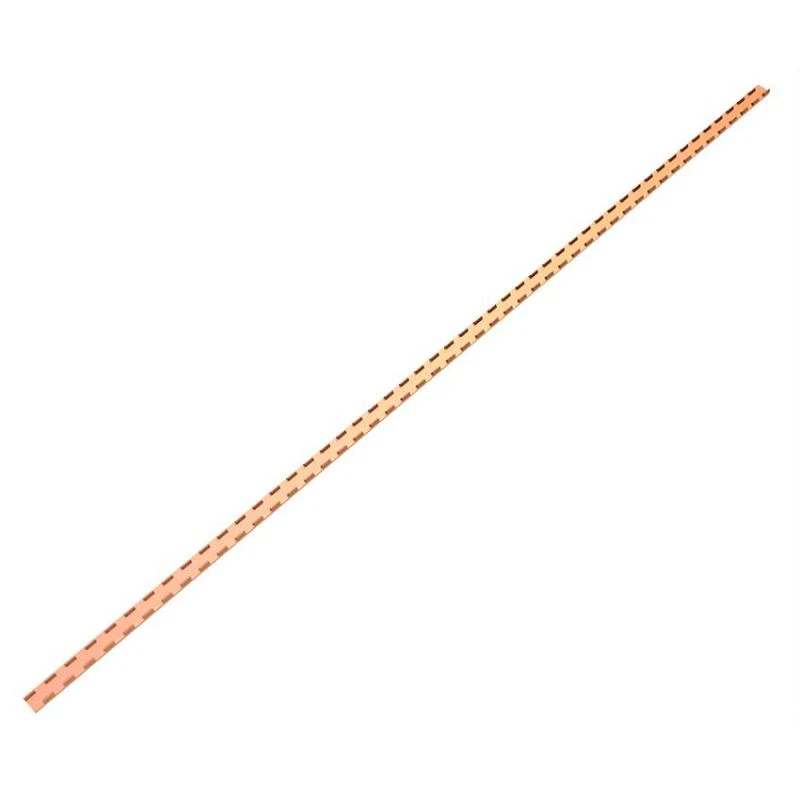
Let’s break it down simply, no stuffy jargon that makes your eyes glaze over. First, let’s clarify: when we talk about cladding bars for these industries, we’re talking about solid metal bars (usually copper, aluminum, or specialized alloys) that act as a tool to apply pressure and heat during cladding. For PCBs, that means bonding thin copper foil to a fiberglass substrate—super critical because the copper carries all the electrical signals. In metallurgy, it’s bonding two different metal layers (like stainless steel and aluminum) to make products stronger or lighter, think aerospace parts or automotive components. The cladding bar’s job is to keep the contact surface consistent, transfer heat evenly, and handle the friction of repeated runs. Humidity messes with every single one of those jobs.
Start with the basics: what even is “humidity” in this context? It’s the amount of water vapor in the surrounding air, but when we’re talking about industrial settings, it’s not just the outdoor air seeping in. Factories with ventilation systems, open loading docks, or areas near water cooling towers have way more variable humidity than a controlled lab. For cladding bars, the first big hit happens with surface oxidation. If a cladding bar’s surface is exposed to high humidity, the water vapor reacts with the metal on the surface over time to form a thin, but stubborn, oxide layer. Now, if you’re applying copper foil to a PCB, that oxide layer isn’t smooth—it’s pitted and uneven. When you press the foil down, it doesn’t bond evenly; the oxide creates a barrier between the bar and the foil, so you get weak spots in the cladding. Our team has seen this firsthand: a client in Shenzhen was running a PCB line with a humidity level hovering around 70% for weeks, and they had a 12% defect rate on their multi-layer boards. Once they adjusted their space humidity to 45-50%, that defect rate dropped to under 2%. The difference was the oxide layer—before, it was so bad that they had to sand the cladding bars down every 2 days instead of every 14, which slowed production and wore the bars out faster.
That leads right into the next issue: cladding bar durability. When humidity is high, the oxide layer isn’t just a surface problem—it makes the bar more prone to wear and even corrosion. Think of it like this: a clean, smooth metal surface is tough, but if you have tiny little rust pits from humidity, those are weak points. Every time the bar runs over the cladding material, the pressure hits those pits, and they expand into cracks. We had a client in the automotive metallurgy sector call us panicking because their cladding bars were failing after 2 months instead of the standard 6. They tracked the humidity in their factory to 75% (they’d just finished installing a new water cooling system that added moisture to the air) and the bar they were using was a standard copper-nickel alloy. The oxide buildup made the bar’s surface 3x more abrasive than it should be, so it was wearing down the metal layers it was cladding too, costing them rework on parts. We adjusted their bar specs to a more corrosion-resistant alloy and worked with them to add small dehumidifiers to their cladding stations, and now their bar lifespan is back to normal. It’s not just the bar itself, either—bad wear from humidity means the bar can’t transfer heat correctly, which is another big part of cladding performance.
Heat transfer is non-negotiable for cladding. If the bar’s surface is covered in that porous oxide layer from humidity, it acts like an insulator. You need consistent heat to melt the bonding agent (or in some cases, fuse the metals directly) so they stick. If the oxide is blocking heat, you end up with areas that are too cool (no bond) or too hot (distortion in the material). For PCBs, that distortion is a huge deal because even a tiny bend in the fiberglass substrate can mess up the tiny circuit traces. We had a PCB startup reach out to us a few months ago—they were trying to make flexible PCBs for wearables, and their finished products were warping so bad they wouldn’t fit into phone cases. They had their testing lab check their cladding process and found that their bar was running 15°C lower than the set temperature, all because the oxide layer from their high-humidity workshop was trapping heat. Once they swapped to our humidity-resistant cladding bars and added a basic humidity monitor at their cladding station, the warping stopped. That’s not a small issue—for a startup, that kind of defect rate can sink a product line before it even launches.
Wait, let’s not sleep on the micro stuff, because that’s where a lot of people miss it. Humidity doesn’t just affect the bar after hours—it can mess with the cladding process mid-run, too. When you’re running a cladding line non-stop for 12+ hours, small fluctuations in humidity (like if someone opens a loading dock door at 8 a.m. when the humidity outside is higher) cause the bar’s surface to change slightly. Those tiny changes mean the pressure and heat aren’t consistent, so you get “cladding gaps”—super thin spots in the bond that are impossible to see with the naked eye until months later when the product is in use. In metallurgy, those gaps can lead to parts failing under stress, which is a safety issue for things like aircraft components or car parts. A few years back, we had a client in the aerospace industry who had to recall 500 parts because of delaminated metal layers. They traced it back to a 2% difference in their factory’s humidity that week, which caused their cladding bars to perform inconsistently. It was a tiny blip in their humidity control, but it cost them millions in recalls and reputational damage. That’s when we realized that humidity isn’t just an “environmental factor”—it’s a critical process variable that needs to be monitored as closely as temperature or pressure.
Now, you might be thinking: “Okay, humidity is bad, what do I do about it?” Here’s the thing—we don’t just sell cladding bars; we work with our clients to fix this exact problem. Over the years, we’ve tweaked our bar specs specifically for high-humidity environments. We offer a range of alloy blends that resist oxidation way better than standard copper or aluminum—things like copper-chromium-zirconium, which has proven to hold up in 70%+ humidity without forming that stubborn oxide layer as quickly. We also work with clients to recommend basic, low-cost humidity monitoring tools for their cladding stations—you don’t need a fancy lab setup, just a $50 sensor that alerts you when humidity jumps above your target range (usually 40-55% for most cladding processes). And if you’re in an area with really high ambient humidity, we can supply cladding bars that come pre-treated with a thin, non-conductive coating that prevents moisture from penetrating the surface—just make sure the coating is compatible with your cladding process, because some coatings can interfere with heat transfer.
The biggest mistake we see clients make is treating cladding bars as a “one-size-fits-all” product. A bar that works great in a dry, controlled lab might fail in a factory with 75% humidity, and vice versa. We’ve had clients come to us after buying cheap cladding bars from a supplier that doesn’t account for humidity, and they end up paying more in rework, downtime, and shortened bar lifespans than if they’d just invested in the right bars for their environment. Cladding might seem like a straightforward process, but every single part of it depends on consistency—and humidity is one of the biggest consistency killers out there.
At the end of the day, this is why we started our business: we saw that too many suppliers were cutting corners on understanding how real-world conditions (like humidity) affect their products, and that was costing industrial and PCB clients way more money than it needed to. We test every batch of our cladding bars under different humidity levels to make sure they perform consistently, and we don’t just sell you a bar—we help you figure out how to use it in your specific space, whether that means adding a dehumidifier, adjusting your process, or upgrading your bar. If you’re dealing with delaminating cladding, short bar lifespans, or defects that you can’t figure out the root of, odds are humidity is part of the problem.
If you’re ready to stop wasting time and money on cladding issues related to humidity, we’d love to chat through your specific needs. Whether you’re a small PCB startup or a large metallurgy facility, we can help you find the right cladding bars and solutions to keep your process running smoothly.
Copper Bus Bar for Electrolysis Process References:
- ASM International. (2020). Effects of atmospheric humidity on metal surface oxidation and corrosion. Journal of Materials Engineering and Performance, 29(4), 2312-2321.
- IPC Association Connecting Electronics Industries. (2019). IPC-TM-650 Test Method 2.4.1: Cladding bond strength testing for printed circuit boards.
- Metallurgical Society. (2021). Humidity-related wear and failure of industrial cladding tools. Journal of Industrial Metallurgy, 47(2), 89-97.
AATI Cathode Co., Ltd.
AATI Cathode Co., Ltd. is one of the leading cladding bar for pcb and metallurgy industry manufacturers and suppliers in China. We warmly welcome you to buy high-grade cladding bar for pcb and metallurgy industry made in China here from our factory. All customized products are with high quality and competitive price. Contact us for free sample.
Address: NO. 1, ZHENXING ROAD, BAOJI CITY, SHAANXI, CHINA
E-mail: ivy@bjaati.com
WebSite: https://www.bjcathode.com/
