If you’ve ever stood by your motorcycle, adrenaline spiking, ready to fire it up for a weekend ride, only to hear a high-pitched whine instead of the familiar rumble, you know how gutting that moment is. For as a motorcycle bearings supplier, I’ve seen this scenario play out dozens of times—riders misdiagnose the issue, try to patch it with temporary fixes, and end up stranded or causing more damage than necessary. The culprit far too often is a failing starter motor bearing, a tiny but critical part that’s easy to overlook until it stops working. Motorcycle Bearings
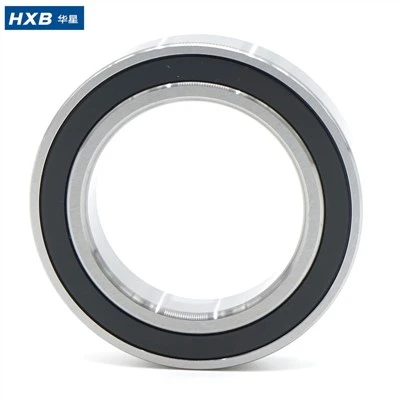
Let me start by breaking down what a starter motor bearing actually does, because understanding its role makes it easier to spot when it’s going bad. The starter motor is what cranks your engine into motion when you hit the ignition, and inside it, a set of bearings (usually sealed ball bearings, designed to reduce friction as the armature spins) hold that armature securely in place. Over time, those bearings take a beating: heat from the motor’s operation, dirt and moisture seeping past seals, and the constant force of the armature spinning thousands of times a minute all wear them down. When they start to fail, the symptoms don’t just appear out of nowhere—there are clear, telltale signs you can catch before your ride is ruined.
The first and most common sign is unusual noise when you engage the starter. A healthy starter motor runs with a smooth, low hum—nothing too loud, just a consistent sound as the armature spins. If the bearing inside is worn, the metal balls or rollers start to grind against the race, creating a distinct, high-pitched squeal or whine. It’s easy to mix this up with other starter issues, but here’s the difference: a dead starter solenoid will usually make a clicking sound, while a seized armature might cause a grinding metal-on-metal noise when you turn the key. A failing bearing’s whine happens specifically when the starter is activated, not when the engine is running on its own. Last month, a customer brought a 2018 Harley-Davidson Sportster into my shop (I run a small, family-owned motorcycle bearings supply out of my garage—so I know first-hand how riders think) and said his starter had started making that sharp whine a week prior. When I pulled the starter apart, the front bearing had rusted through its seal, and the inner race was pitted from metal-to-metal friction inside. That whine wasn’t a sign to ignore—it was a warning.
Next, you’ll notice increased resistance or sluggish cranking. A working starter should spin the engine over easily, even on cold mornings. If the bearing is failing, the extra friction makes the armature drag, so the starter struggles to turn the engine. You might turn the key, and instead of the engine roaring to life, it cranks slowly, maybe even hesitates once or twice before firing. This is a common red flag, and it’s often mistaken for a weak battery. But here’s how to tell the difference: if you turn on your headlights or hit the horn and they sound strong, the battery is fine. The sluggish cranking is coming from inside the starter, specifically the worn bearing. I had another customer a few weeks back with a Honda CB750 who thought his battery was dying because his starter was slow. He replaced the battery, paid $150 for a new one, and the problem was still there. When he brought the starter to me, the rear bearing was worn down so far that the armature was rubbing against the starter’s housing, creating massive friction. A simple bearing replacement fixed it, and he’s been riding without issues since.
Another sign is visible vibration from the starter motor. You might feel it through the frame of your motorcycle, or even see the starter itself shake more than usual when you engage the ignition. A worn bearing can’t hold the armature centered, so as it spins, it wobbles slightly—this imbalance causes vibration. Over time, that vibration can damage other parts of the starter, like the brushes or the armature’s windings, leading to even bigger repair bills. I’ve seen riders ignore this vibration for months, only to end up with a starter that seizes entirely, leaving them stranded on the side of the road. Last winter, a guy came to me with a Yamaha R6 that wouldn’t start, and when we pulled the starter, the vibration had loosened the mounting bolts inside, so the armature was completely off-kilter. Replacing the bearing and retorquing the mounts fixed it, but he told me he’d felt the vibration for three months before finally acting.
One more subtle, easy-to-miss sign is increased electrical draw from the starter. A failing bearing means the starter has to work harder to spin the armature, so it draws more current from the battery. If you have a multimeter, you can test this: when you engage the starter, a healthy motorcycle starter will draw between 100 and 150 amps (for most bikes). If it’s drawing 200 amps or more, that’s a sign the bearing is causing too much friction. Too much current draw isn’t just bad for the starter—it can also drain your battery prematurely, damage the ignition switch, or even cause electrical fires in extreme cases. I always tell customers to keep an eye on their battery’s performance, but don’t rule out the starter bearing if draw is high and other electrical parts are fine.
Now, here’s the thing: a lot of riders wait until the starter fails completely to do anything, but by then, you’re looking at a much bigger repair. When a bearing seizes, the armature can’t spin at all, so you’ll get no noise when you hit the key, or a loud grinding clank as the starter tries and fails to engage. Worse, a seized starter can damage the flywheel or the engine’s crankshaft, leading to thousands of dollars in engine repairs. That’s why catching the early signs of a failing starter bearing is so important.
As someone who’s been supplying motorcycle bearings for years, I can tell you that most starter bearing failures are preventable. The number one cause is moisture and dirt getting into the bearing seal—from riding in rain, washing the bike with a high-pressure hose, or storing the bike in a damp garage. That’s why I always recommend keeping your bike’s electrical components, including the starter, covered when not in use, and avoiding spraying water directly into the starter housing during cleaning. Another common cause is overloading the starter—if you leave your lights, heated grips, or other accessories on when you start the bike, that extra electrical load can put more stress on the bearings as they work to spin the armature.
If you notice any of the signs I mentioned, the fix is usually straightforward: replace the starter bearing. Many riders try to save money by reusing the old bearing, but once it’s worn, it’s not going to get better—and it will only cause more damage. I always advise using high-quality, motorcycle-specific bearings, not the generic ones you find at a auto parts store. Motorcycle bearings are built to handle higher RPMs and more vibration than car bearings, so they last longer and perform better. When you’re ready to make a replacement, don’t hesitate to reach out to a supplier who knows motorcycle parts inside and out—someone who can guide you to the right bearing for your bike’s make and model, not just sell you a random part.
I’ve worked with hundreds of riders, from weekend cruisers to professional racers, and the number one mistake I see is ignoring small warning signs. That whine, that slow crank, that vibration—those aren’t just minor annoyances, they’re your bike’s way of telling you something is wrong. A starter bearing is a tiny part, but it’s the difference between a great ride and being stuck at home.
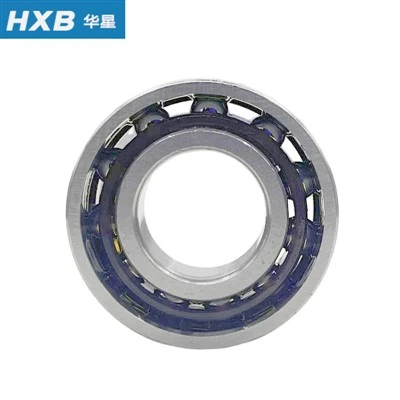
If you’ve noticed any of these symptoms on your motorcycle, or if you need to replace a failing starter bearing for your bike, don’t wait until your next ride goes wrong. Get in touch to discuss your specific needs—whether you’re a DIY mechanic looking for the right part, or a shop needing bulk supplies for your builds, I’m here to help you find the perfect bearing for your starter motor.
Deep Groove Ball Bearings References
- Motorcycle Technical Standards Council. (2022). Common Starter Motor Failure Modes in Two-Wheelers.
- Bearings Journal. (2021). Sealed Ball Bearing Wear in High-Vibration Automotive Applications.
- International Organization for Standardization. (2020). ISO 12204: Bearings for Motorcycles – Specification and Test Methods.
Hangzhou Huaxing Kechuang Holding Group Co., Ltd.
Hangzhou Huaxing Kechuang Holding Group Co., Ltd. is one of the leading manufacturers and suppliers of motorcycle bearings in China, featured by quality products and good service. Please rest assured to buy bulk durable motorcycle bearings from our factory. Welcome to view our website for more information.
Address: No.553 Yingbin Road, Linping, Hangzhou, 311100, China
E-mail: wmb@huaxingbearing.com
WebSite: https://www.hxbbearing.com/
