If you’ve ever stood in front of a cracked concrete floor, asphalt driveway, or even a vertical wall and stared at a tube of self-leveling crack filler, the first question that pops up isn’t just “Will this work?”—it’s “Do I need to run to the hardware store for a bunch of weird tools to apply it?” As a self-leveling crack filler supplier, I get this question every single day from homeowners, small contractors, and even commercial property managers who don’t want to waste time or money on tools they’ll only use once. The short answer is: it depends. But let’s break this down properly, because the “special tools” thing is often a misperception from old-school crack repair products that required way more gear. Self-leveling Crack Filler
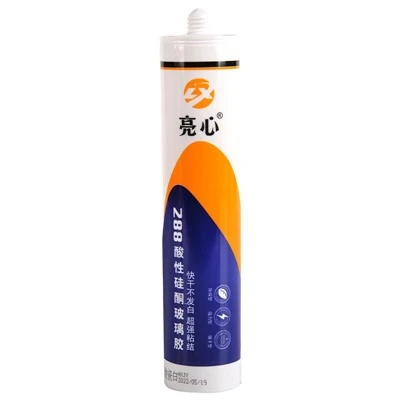
First, let’s set the stage on what self-leveling crack filler actually is, because that’s the core of why tool needs are different. Unlike traditional cement-based patch compounds that you trowel on and shape by hand, self-leveling formulas are thin, flowable mixtures—often polymer-modified, sometimes epoxy-based, and designed to spread evenly on their own without pushing or dragging. That unique consistency cuts down on a lot of the tools you’d need for other repairs, but there are a few small, often overlooked items that count as “special” if you’re doing it right. And I’m not talking about a jackhammer or a fancy drill here—most of these are affordable, easy to find, and sometimes you might even have them lying around your garage already.
Let’s start with the basics that almost everyone will need, even if they think they don’t count as “special.” First, surface preparation is non-negotiable for self-leveling crack filler to stick. If you skip this step, your filler will bubble, peel, or crack within months. That means cleaning the crack thoroughly—removing dirt, debris, loose concrete, or old sealant. For this, a stiff wire brush is a must, right? Wait, is that a special tool? Maybe not the fancy $50 industrial kind, but it’s not the dish brush you use for dishes. I’d categorize it as a basic prep tool. Then, you need something to blow out the dust from the crack after brushing—an air compressor works, but if you don’t have one, a leaf blower on low setting, or even a can of compressed air (like you use for keyboards) works too. That little step of getting dust out makes a huge difference, and it’s a tool most people don’t think to grab before starting.
Now, when you get to the actual application, the tools that do count as “special” are few, but necessary, depending on the size and location of the crack. Let’s split this into two categories: small residential cracks (under ½ inch wide, like hairline or small driveway cracks) and larger commercial cracks (over ½ inch, often in warehouse floors or parking lots). For small cracks, most people can use a caulk gun if the filler comes in a tube—wait, but not just any caulk gun. You need a smooth-acting caulk gun, not the cheap plastic ones that squeak and unevenly dispense the filler. A cheap plastic caulk gun will cause the filler to bubble or clump as you squeeze, which defeats the self-leveling purpose. But is that a special tool? For a lot of DIYers, yes, because they’ve only ever used plastic caulk for sealing windows.
Here’s where it gets a little more specific. If you’re working on a horizontal surface (driveways, garage floors, sidewalks), once you squeeze the filler into the crack, you don’t need a trowel or a putty knife to smooth it—because it self-levels. But wait, you might need a roller pin or a small squeegee to make sure the filler flows all the way into the back of the crack and doesn’t leave any air pockets. That’s a small, often overlooked tool. For vertical cracks (like foundation walls or block walls), self-leveling filler is a little different—these have higher viscosity so they don’t run down before they set. For those, you might need a backer rod, which is a flexible foam rod you stuff into the crack first to control the depth of the filler. Is backer rod a tool? No, it’s a material, but it’s a necessary accessory that you can’t skip if you want a neat repair.
Now, let’s clear up a common myth: some people think you need a power mixer for self-leveling filler, especially if you’re buying the bulk bucket kind that you mix on-site. That’s only true if you’re using a bag or bucket product, right? Wait, but most of our residential self-leveling crack fillers come pre-mixed in tubes or pails, so you don’t need a drill and mixing paddle. For commercial bulk applications, you might use a heavy-duty power mixer, but that’s for large jobs, not small repairs. I’ve seen so many contractors show up to a small residential repair with a $200 drill and mixer, only to realize they didn’t need it because the pre-mixed filler is ready to go. That’s a big waste of money, which is why I always tell DIYers: read the product label first. If it says “pre-mixed,” you don’t need a mixer. If it says “mix with water,” a small drill mixer will work, but even a wooden stick if you’re only mixing a small amount.
Another tool people ask about is a squeegee or a flat spreader to level the filler. But here’s the thing: self-leveling means exactly that—it levels on its own. If you find yourself needing to spread it, that’s usually a sign you used the wrong product (like a floor leveling compound for big floors, not a crack filler) or you applied too much in one spot. For cracks, you only need enough filler to fill the crack, not excess on the surface. A small putty knife might be useful to wipe off any excess that oozes out of the crack’s sides, but that’s a basic tool, not a special one.
Wait, let’s talk about when you might actually need special tools, because I don’t want to give the impression that no tools are ever needed. For large-scale commercial projects—like a warehouse with 100 linear feet of cracks, or a parking garage—you might need tools that go beyond the basics. A concrete grinder to smooth the edges of the crack before filling, a power washer to deep-clean the surface (way better than a wire brush for heavy dirt or oil), and sometimes a pump to dispense bulk self-leveling filler instead of scooping it out of buckets. But for 90% of the jobs that come through my supplier doors—small driveway cracks, foundation cracks, garage floor cracks—you don’t need those.
I should also mention tools that are often mistaken for “special” but aren’t. For example, some people think you need a heat gun to cure the filler faster. No, self-leveling crack filler cures on its own, at room temperature. A heat gun might make it dry too fast, which causes cracking. Same with adding water to speed it up—most polymer-based formulas don’t need that, and it can weaken the filler. So you don’t need those tools, and they’re actually harmful to use.
Another common question: what if I don’t use the right prep tools? Let’s say you skip the wire brush and just squirt filler into a crack full of dirt. That filler will never bond, and it’ll fall out in a few weeks. So even though the brush is basic, it’s necessary. I’ve had customers tell me they tried to skip the brush and their repair failed, so they came back to buy more filler and admitted they’d needed the brush all along.
Wait, let’s get personal here. Last month, a homeowner came into our warehouse panicking. He’d bought a cheap self-leveling crack filler from a big box store, tried to apply it with a plastic caulk gun, and ended up with lumpy, uneven mess that ran all over his driveway. He asked if he needed a special tool to fix it, and I showed him a smooth-acting caulk gun, a wire brush, and a small roller pin. He went home, cleaned the crack properly, used the right caulk gun, and his repair turned out perfect. That’s a real example of how the “special tool” here was just a $10 caulk gun that he’d been using wrong for the first time.
So to circle back: does self-leveling crack filler require special tools? The answer is: mostly no, for small residential jobs. The only “special” items you might need are a smooth-acting caulk gun (if using tube-form filler), a wire brush and blow tool for prep, and a backer rod if you’re doing vertical cracks. For larger commercial jobs, you might need a power washer, grinder, or bulk pump, but those are job-specific tools, not required for every application. The biggest mistake people make is either buying a product that’s too big for their job (like a floor leveling compound for small cracks) or trying to use tools they already have that aren’t fit for purpose.
Now, if you’re planning a repair, don’t overcomplicate it. First, check the product label of the self-leveling crack filler you’re using—most reputable brands, including the ones we supply, list exactly what tools you need on the packaging. If you’re not sure, reach out to your supplier (that’s us, by the way) before you start. Avoid buying random tools at the hardware store that you won’t use again—chances are, you only need a few affordable, easy-to-find items.

If you’re ready to get your self-leveling crack filler and make that repair happen, we’re here to help. We offer products for every job, from tiny driveway cracks to large commercial projects, and we can answer any questions about tools, prep, or application to make sure your repair lasts. Don’t waste time or money on tools you don’t need—let’s get you the right supplies and guidance for your project.
Manual Structural Adhesive Gun References
- American Concrete Institute. (2019). Guide for Crack Repair in Concrete Structures. ACI 224.1R-19.
- Polymer Modified Concrete Association. (2021). Self-Leveling Repair Compounds: Application Guidelines and Tool Requirements. PMC Technical Bulletin 04-21.
- National Asphalt Pavement Association. (2020). Crack Repair Best Practices for Residential and Commercial Asphalt Surfaces. NAPA Guide 1020.
- International Masonry Institute. (2018). Vertical Crack Repair for Masonry Walls: Tools and Materials. IMI Technical Note 08-18.
Shandong Liangxin Adhesives Co., Ltd.
We are one of the most professional self-leveling crack filler manufacturers in China, featured by quality products and good service. Please rest assured to wholesale high-grade self-leveling crack filler in stock here and get pricelist from our factory. We also accept customized orders.
Address: Industrial Park, Jiudu Sub-district, Hedong District, Linyi City, Shandong Province, China
E-mail: 15253909280@139.com
WebSite: https://www.liangxinglue.com/
