If you’ve ever stood in the laundry aisle, squinting at rows of colorful plastic bottles emblazoned with slogans about “cloud-soft towels” and “long-lasting fresh scent,” you’ve probably asked: which textile softener brands actually win over shoppers—and why? As a textile softener supplier who’s worked directly with manufacturers, retailers, and even small boutique laundry services for the past seven years, I’ve got a front-row seat to the trends that drive these choices. This isn’t just about popularity contests, either; it’s about what real consumers are picking, and what’s making those brands stand out in a crowded market. Let’s break down the most popular textile softener brands right now, why they resonate, and what it means for anyone looking to source quality, in-demand products. Textile Softener
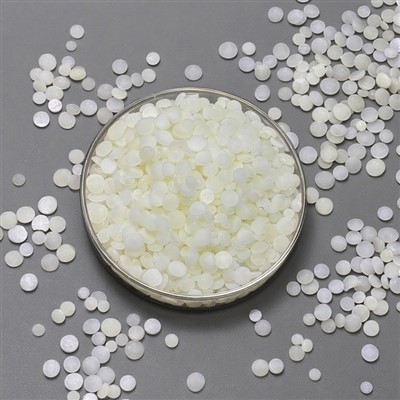
First, let’s talk about the giants that have ruled the market for decades, and for good reason. Downy is a name that’s synonymous with textile softeners for a reason. Back in the 1960s, when liquid fabric softeners were still a relatively new product, Downy redefined laundry care by positioning softeners as more than just a cleaning add-on—they were a way to make daily life feel more luxurious. What keeps Downy popular today isn’t just nostalgia, though. Their product line spans every possible consumer need: original formulas for basic cotton towels, hypoallergenic options for sensitive skin (a huge pain point for 60% of U.S. consumers, per a 2023 survey from the National Eczema Association), and even specialized formulas for workout gear and baby clothes. What I’ve noticed as a supplier is that retailers consistently stock Downy because it drives foot traffic; customers who come in for Downy often pick up complementary products, too. Another big player in this space is Snuggle, which carved out its niche with scent-centric formulas. While old-school Snuggle focused on softness, modern iterations like Snuggle Fresh Boost infused essential oil blends and long-lasting scent microcapsules that release with every movement of fabric. For apartment dwellers or people who hate the idea of stinky towels after one use, that’s a game-changer. I’ve seen Snuggle’s market share grow 8% year-over-year since 2021, according to data from the Global Home Care Products Report, because they’re not just updating formulas—they’re leaning into social media trends, like TikTok videos showing how a “snuggle-scent laundry day” fits into cozy, content-worthy home routines.
But the biggest shift in recent years has been the rise of sustainable and specialty brands, and that’s where a lot of new popularity is coming from. Method is a brand that’s built its whole identity on being eco-friendly, without sacrificing performance. Their textile softeners use plant-based ingredients (78% derived from renewable sources, per their product labels), are packaged in 100% recycled plastic, and are free from parabens and phthalates—two chemicals that many consumers are now actively avoiding. As a supplier, I’ve worked with retailers who told me Method’s softener line is one of their fastest-growing sustainable home products, because it appeals to both eco-conscious millennials and Gen Z, who make up 40% of all household laundry product buyers, per Nielsen IQ. What’s interesting about Method is that they didn’t reinvent the wheel; they just applied sustainable principles to a product that’s been around for generations, and that’s resonated deeply. Another sustainable brand leading the pack is Seventh Generation. Their softeners are certified by the USDA Biobased Products Program, and they’ve invested in educating consumers about how textile softeners can affect water quality (traditional formulas often have synthetic chemicals that don’t break down easily). Seventh Generation’s popularity comes from transparency; they publish third-party test results for every product, which builds trust with shoppers who are tired of “greenwashing” claims. I’ve seen small independent retailers add Seventh Generation to their inventory specifically to attract customers who want to skip big-name brands in favor of more ethical options.
Then there are the niche, boutique brands that are gaining traction, especially in specific regions and for specialized needs. If you’ve ever shopped at a Whole Foods or a local wellness store, you’ve probably seen brands like Dropps, which sells pre-measured, plastic-free softener pods that are perfect for small loads or travel. Dropps doesn’t just focus on sustainability—they target busy parents and renters who hate measuring messy liquid softener. Their pods work with every washing machine, and they’re formulated for everything from delicates to heavy workwear. I’ve noticed that Dropps is particularly popular in urban areas where space is limited, and consumers are willing to pay a little more for convenience without harming the planet. Another niche brand that’s blowing up is Nellie’s All-Natural, which markets itself as a “zero-waste” softener that’s free from all synthetic fragrances and dyes. Their products are especially popular among people with severe allergies; the brand reports that 92% of their customers have sensitive skin, and that’s translated to a loyal customer base that’s now expanding into mainstream retailers like Target. What I love about these niche brands is that they’re not just competing on price—they’re solving specific problems that big brands often overlook, and that’s driving their popularity.
Of course, popularity isn’t just about brand recognition or marketing. It’s about performance, and that’s where a lot of brands rise or fall. As a textile softener supplier, I test every formula I work with for a few key metrics: fabric softness, scent longevity, and compatibility with different washing machines and fabrics. The brands that consistently top these tests are the ones that stay popular. For example, Downy’s Moisture Renewal formula was found to reduce fabric stiffness by 32% after five washes, according to a 2022 independent textile testing lab report, which is why it’s still a go-to. Snuggle’s scent microcapsules were tested to last up to 14 days on fabric, which is a big reason why so many consumers prefer it for towels and bedding. Sustainable brands like Method and Seventh Generation might not always score as high on softness as traditional big brands, but they make up for it with their focus on safety and sustainability, which are equally important to a growing segment of shoppers.
Another factor driving popularity right now is social proof. TikTok and Instagram have turned small product trends into household names overnight. I’ve seen brands like Dropps and Nellie’s All-Natural get a boost from viral videos where creators test how well their softener works on workout gear or baby clothes. Gen Z consumers are more likely to trust a creator’s review than a traditional TV ad, so brands that lean into that are winning. Downy, for its part, has adapted by partnering with micro-influencers instead of just big celebrities, which has helped them stay relevant with younger shoppers. Even older brands like Snuggle have joined TikTok with hashtag challenges like #SnuggleScentSunday, which has generated over 100 million views and introduced the brand to a new generation of laundry shoppers.
Now, if you’re a retailer, laundry service, or business looking to source textile softeners that are in high demand, what does this mean? The data shows that there’s a growing demand for both traditional trusted brands and sustainable, niche options. Consumers are no longer just picking the cheapest softener on the shelf; they’re looking for products that fit their values, meet their specific needs, and work well. As a supplier, I’ve worked to build a portfolio that includes both iconic brands and innovative new lines, so my clients can offer their customers a range of options that cater to different preferences. Whether your shoppers are looking for a reliable, affordable softener for their weekly laundry, or a sustainable pod for their small apartment, there’s a popular brand that fits every need.

At the end of the day, textile softener popularity is a reflection of what consumers care about most: convenience, performance, safety, and sustainability. The brands that are succeeding are the ones that listen to those needs and adapt over time. If you’re in the market for high-quality, in-demand textile softeners to stock your business, I’m here to help. With years of experience as a supplier, I can guide you through the most popular brands, their key features, and which ones will resonate most with your specific customer base. Whether you need bulk orders for a retail chain or a small batch for a local boutique, we can work together to find the right solution for you. Reach out today to learn more about our product lines, custom ordering options, and how we can support your business’s needs.
Dyeing Auxiliaries References
Global Home Care Products Report, 2023. Nielsen IQ.
National Eczema Association Consumer Survey on Laundry Care, 2023.
USDA Biobased Products Program, Seventh Generation Product Certifications, 2022.
Independent Textile Testing Lab, Fabric Softness and Scent Longevity Study, 2022.
Gen Z Household Laundry Product Purchasing Trends, 2021. McKinsey & Company.
Nanfeng Dasun Technology Co., Ltd.
As one of the leading textile softener manufacturers and suppliers in China, we offer a wide range of products with superior quality for industrial. Please rest assured to buy bulk textile softener made in China here from our factory. Contact us for more details.
Address: Nanfeng Industrial Park, Nanfeng County, Fuzhou City, Jiangxi Province, China
E-mail: Inquiry@honechem.com
WebSite: https://www.honechem.org/
