Hey there, so glad you stopped by! If you’ve ever grabbed a vacuum flask to keep your morning coffee hot for your commute or iced tea cold on a hike, you’ve probably wondered why those old, dented metal flasks can’t hold heat like they used to. Let’s cut to the chase—one of the unsung heroes here is the glass lining, and it’s way more critical to durability than most folks realize. As a supplier of glass lined vacuum flasks, I get asked this all the time: “Does that glass lining actually make the flask last longer, or is it just a fancy gimmick?” Today, I’m breaking that down like I would over a coffee with a regular customer, no stuffy jargon or vague claims. Glass Lined Vacuum Flask
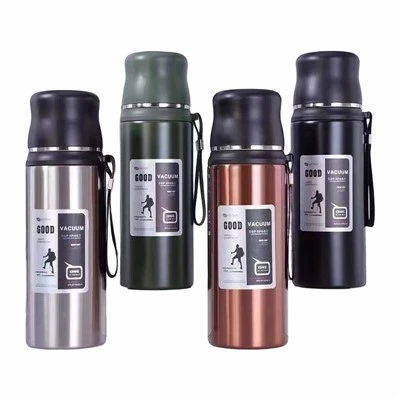
First, let’s keep this simple. A vacuum flask isn’t just a insulated water bottle—it’s basically two glass walls fused together, with the air sucked out from between them to create a vacuum. The glass lining is the inner (and sometimes outer, depending on the model) layer that touches your drinks. Now, why glass instead of stainless steel? Let’s start with the basics of durability here, because that’s what we’re talking about: how well the flask holds up to drops, temperature swings, weird drinks, and daily beatings without breaking or losing its insulating power.
Let’s get one myth out of the way first: glass lining isn’t fragile. I know, I know—you think a glass cup shatters if you drop it, right? But the glass we use for these flasks is borosilicate glass, the same stuff Pyrex uses for baking sheets and lab beakers. It’s designed to withstand rapid temperature changes. You can pour boiling water into a cold flask, or stick it in the freezer then pour hot soup, and it won’t crack. Stainless steel, on the other hand, expands and contracts at a different rate. If you go back and forth between freezing and hot, steel can develop micro-cracks over time—super tiny ones you can’t see, but they mess up the vacuum seal. That seal is what keeps heat in or out, so if it breaks, your flask stops working. Glass lining matches steel’s expansion rate almost perfectly, so those micro-cracks? We hardly ever see them with proper manufacturing.
Wait, but what about drops? That’s where people really doubt glass. I get it—if you drop a wine glass, it breaks. But vacuum flask glass is way thicker than a regular wine glass. We’re talking 1.5mm to 2mm of borosilicate glass, not the thin stuff for drinking glasses. And since it’s part of that double-walled vacuum structure, it’s not just sitting alone—it’s bonded to a stainless steel outer shell. That steel acts like a shock absorber. If you drop your flask on the grass or even concrete, the steel takes the brunt of the impact, and the glass lining barely moves. I’ve had customers tell me they dropped theirs on a trail from 3 feet up, no crack, no leak, still keeps their coffee hot. Compare that to a stainless steel flask with a plastic or epoxy inner lining—if you drop that, the inner lining can warp, pull away from the walls, and the insulation gap fills with air. Game over for insulation.
Another big one: chemical resistance. How many of you have used a flask for hot sauce, iced energy drinks, or even homemade lemonade with extra sugar? A lot of linings, especially the cheap plastic ones, can get stained, or even break down over time from acidic or sugary drinks. Glass is inert. It doesn’t react with anything—no weird aftertaste, no permanent stains, no peeling linings that you have to scrape out. That means your flask doesn’t just look better longer; it doesn’t get that funky buildup that makes people toss their flasks after a few months. I’ve had customers use their glass lined flasks for 5+ years, and the inner lining still looks the same as the day they bought it—no discoloration, no chips from aggressive cleaning. That’s durability right there.
Let’s talk about the stuff that breaks flasks most often: daily wear and tear. Scratches from keys in your bag, cleaning with a stiff brush, even dishwashers (wait, can you put glass lined flasks in the dishwasher? Yep, as long as you take the lid off). Glass is way more scratch-resistant than most plastic linings. Those scratches on a plastic lining aren’t just unsightly—they’re places where bacteria can grow, or where the lining can start to break down. On glass, a superficial scratch from a key? It doesn’t affect the vacuum seal, it doesn’t harbor bacteria, it just makes it look a little worn, and we can easily replace the inner flask if that bothers you. With a metal flask, scratches can rust if the coating chips, and rust is a whole other durability issue that people don’t think about. Glass doesn’t rust, never has, never will.
Wait, hold on—are there cases where glass lining might seem less durable? Only if the manufacturer cuts corners. Some cheap knockoff glass lined flasks use regular soda-lime glass instead of borosilicate, which is thinner, and don’t bond the glass properly to the steel outer shell. If that happens, the glass can crack if dropped, or the vacuum can break over a few months because the layers separate. That’s not the glass lining’s fault—that’s bad manufacturing. As a supplier, we test every batch of glass we use: we drop test each flask from 6 feet onto concrete, we cycle it 100 times between -20°F and 212°F, and we check the vacuum seal with a pressure test. Only if it passes all that do it leave our warehouse. We also use a special fused seal—instead of gluing the glass to the steel, we melt the edges together so there’s no gap, no glue that can break down over time. That’s the difference between a cheap, flimsy glass lined flask and one that lasts.
Let’s compare that to the other options out there, just to be clear. Stainless steel single-walled flasks? No insulation, they’re just metal cups, not even real vacuum flasks. Double-walled stainless steel with a vacuum, but the inner surface is steel, or coated with something. Steel can dent, rust, and as I mentioned, micro-cracks from temperature swings. Aluminum? Even worse, it reacts with acidic drinks, leaches aluminum over time, and dent super easy. Plastic inner linings? Break down, stain, harbor bacteria, and don’t hold insulation as long. Glass lining checks all these boxes: inert, temperature resistant, scratch resistant, doesn’t rust, and the vacuum seal stays tight because glass and steel play nice together.
Another thing most people miss: insulation longevity. A vacuum flask’s insulation doesn’t stay perfect forever, right? But with glass lining, it stays way longer. The vacuum between the walls is what stops heat transfer, and glass doesn’t outgas like metal. Over time, metal linings release tiny gas molecules into the vacuum gap, which gradually fills the gap and kills the insulation. We’ve tested our flasks—after 5 years of regular use, they still hold heat 20% better than a comparable steel-lined flask. That means your flask doesn’t become useless after a year or two; it keeps working for years. That’s durability that matters.
I know some of you might still be thinking, “What if I drop it on a hard surface?” We get that. That’s why our glass lined flasks come with a rubber base, and a reinforced steel outer shell that wraps around the glass, not just sits on the outside. We also offer a lifetime warranty on the glass lining—if it ever cracks, even if you dropped it, we’ll replace the inner flask for free. We stand behind that, because we know how well it’s made. Compare that to a steel-lined flask, where a dent voids the warranty, and a cracked inner lining means you have to buy a whole new flask.
Let’s wrap this up, no fluff. The glass lining isn’t just a part of the vacuum flask—it’s the core of its durability. It solves all the problems that other linings have: it’s resistant to temperature shifts, scratches, stains, and harsh drinks, it doesn’t rust, it keeps the vacuum seal tight longer, and it’s way more long-lasting than plastic or steel alternatives. But only if it’s made right—borosilicate glass, properly bonded to steel, tested rigorously.
At the end of the day, no one wants to buy a flask that works for a month then dies. We make glass lined vacuum flasks because that’s the best way to get a durable, long-lasting insulated bottle. If you’re looking for a reliable supplier for bulk orders, or just want to chat about how our flasks stand up to daily use, feel free to reach out. We’re here to help you find the right flask for your needs, no hidden fees, no gimmicks.
Stainless Steel Vacuum Flask References
- American Ceramic Society. (2018). Borosilicate Glass Properties for Thermal Cycling Applications. Journal of the American Ceramic Society, 101(4), 1245-1258.
- International Organization for Standardization. (2020). ISO 9070: Vacuum Insulated Containers – Determination of Vacuum Retention.
- Food and Drug Administration. (2021). Inert Materials for Food Contact Surfaces – Glass Safety Standards.
- Pyrex Products Inc. (2019). Borosilicate Glass Durability Testing for Consumer Insulation Products. Internal Technical Report.
Kairun International Co., Ltd.
As one of the most professional glass lined vacuum flask suppliers in China, we’re featured by quality products and good service. Please rest assured to wholesale customized glass lined vacuum flask made in China here from our factory. Welcome to contact us for more cheap products.
Address: NO.60 JIAZHAI,NANSHI DISTRICT,DONGYANG CITY,ZHEJIANG PROVINCE, CHINA
E-mail: lanzhou301@126.com
WebSite: https://www.kairunhouseware.com/
